Narrowing Our Focus - Building a GM’s Toolbox for D&D Monster Miniatures
When we started out, we didn’t know if, or where, we would specialize.
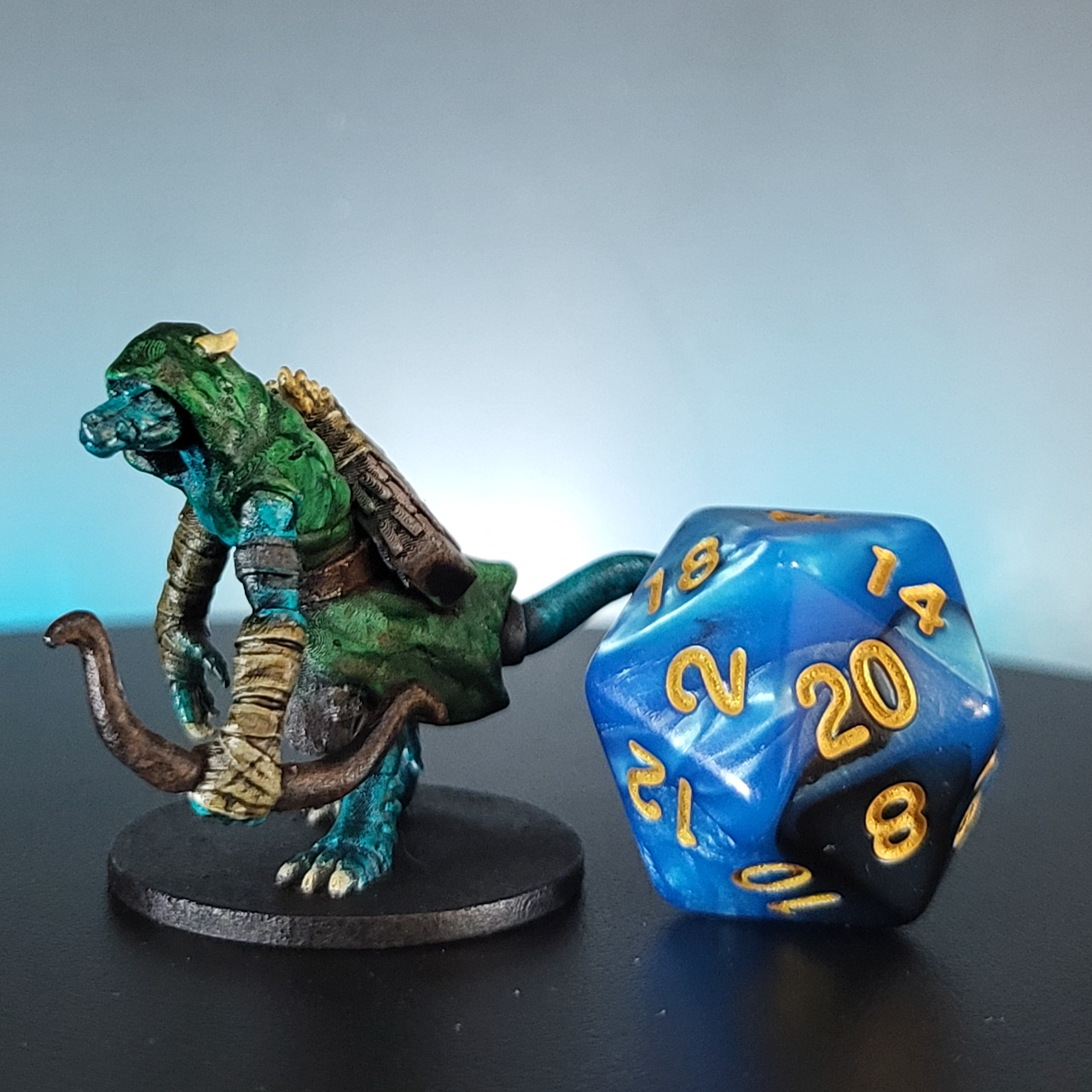
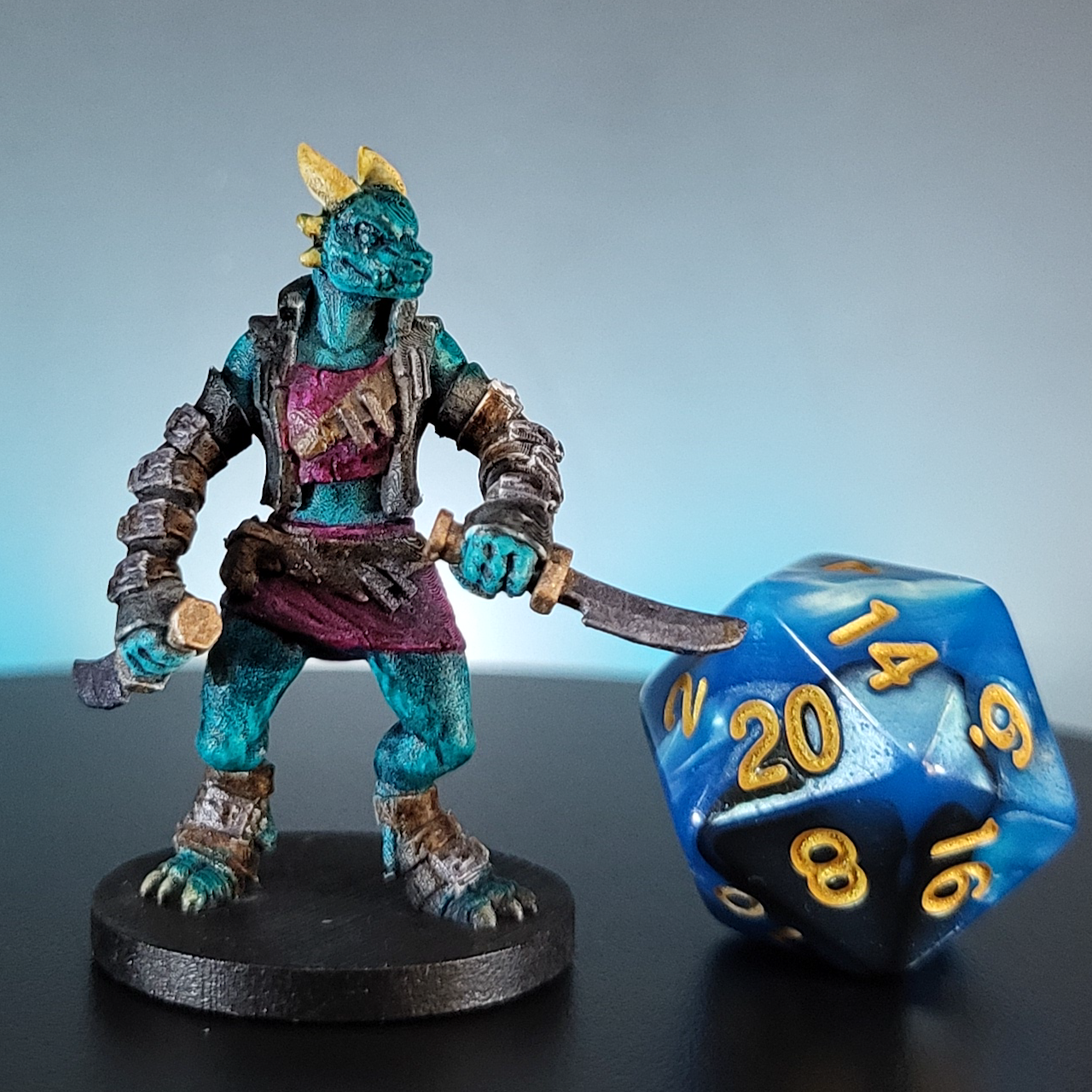
We had our elementals, which I love. Then we had goblins and kobolds we wanted to launch. But we also tried to cater to the player side of the equation.
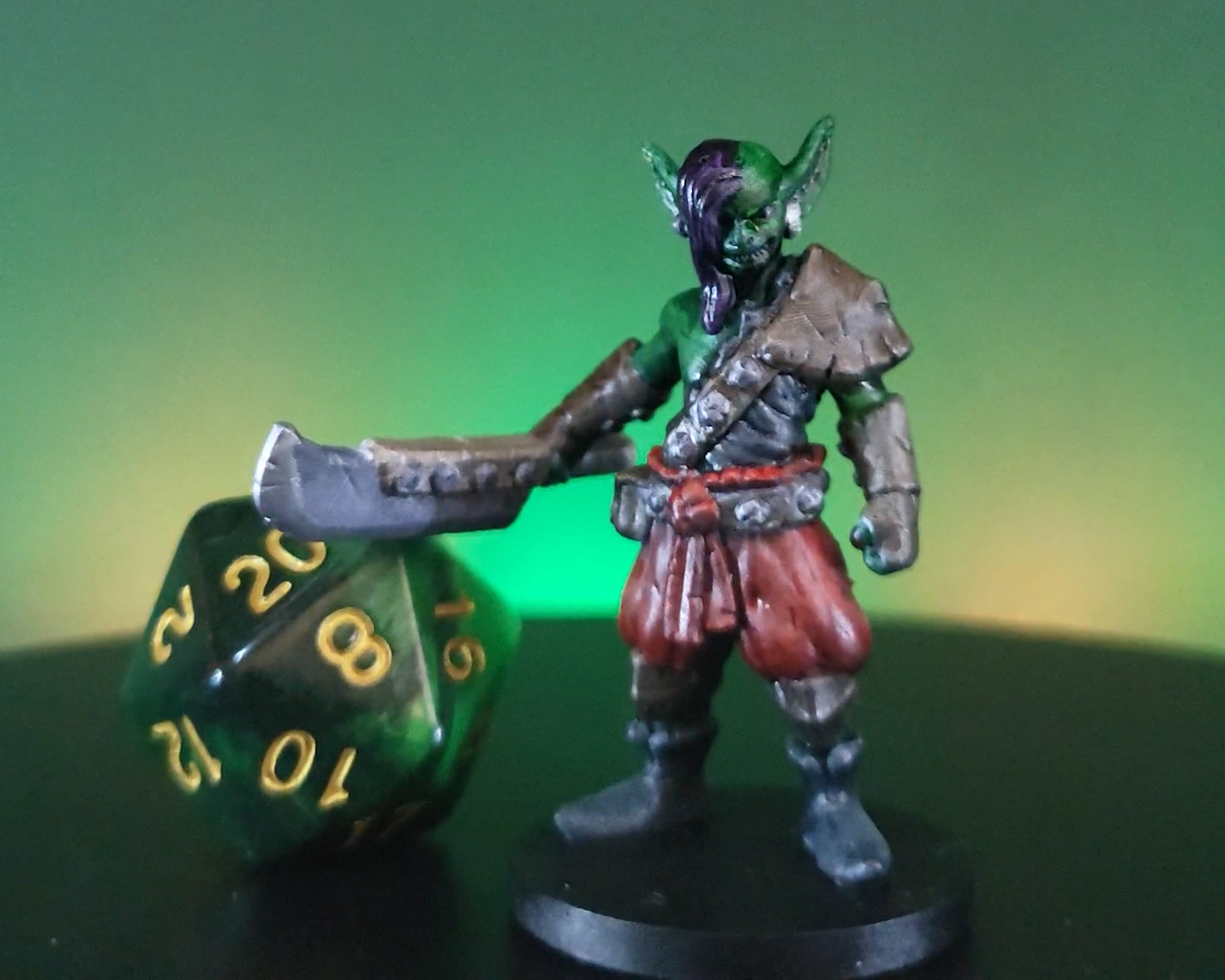
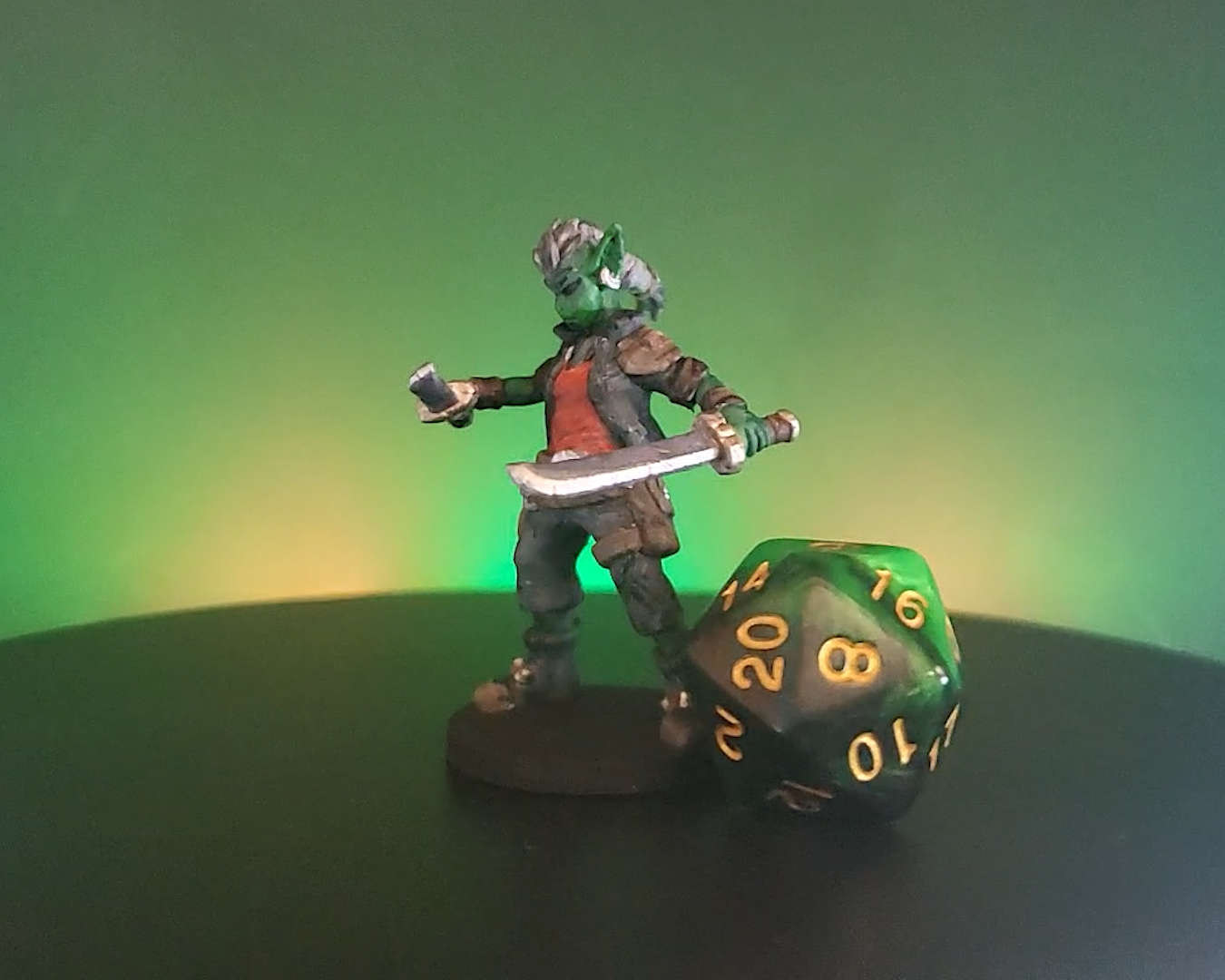
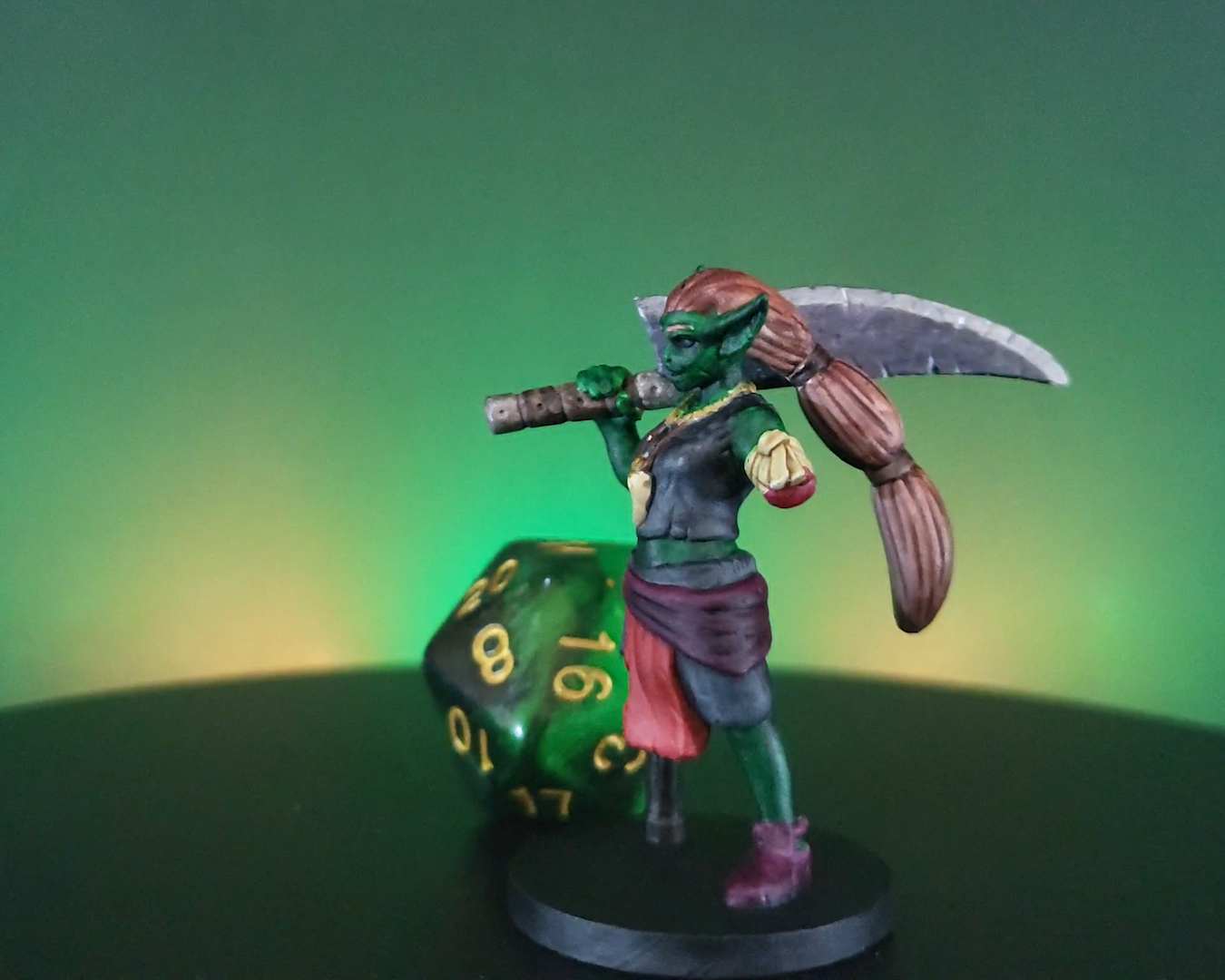
So instead of keeping them at 18mm, where they read as small creatures compared to the standard 25–28mm player mini, we scaled them up to 25mm. We loved them at that size. Pearl even used one for her goblin rogue in my daughter’s campaign.
But loving them and them being the right choice for our business are two very different things.
If you’re running games, this distinction matters more than it might seem. Player miniatures and monster miniatures serve very different roles at the table. One represents identity. The other represents opposition, scale, and readability. Trying to do both at once leads to compromises that hurt both.
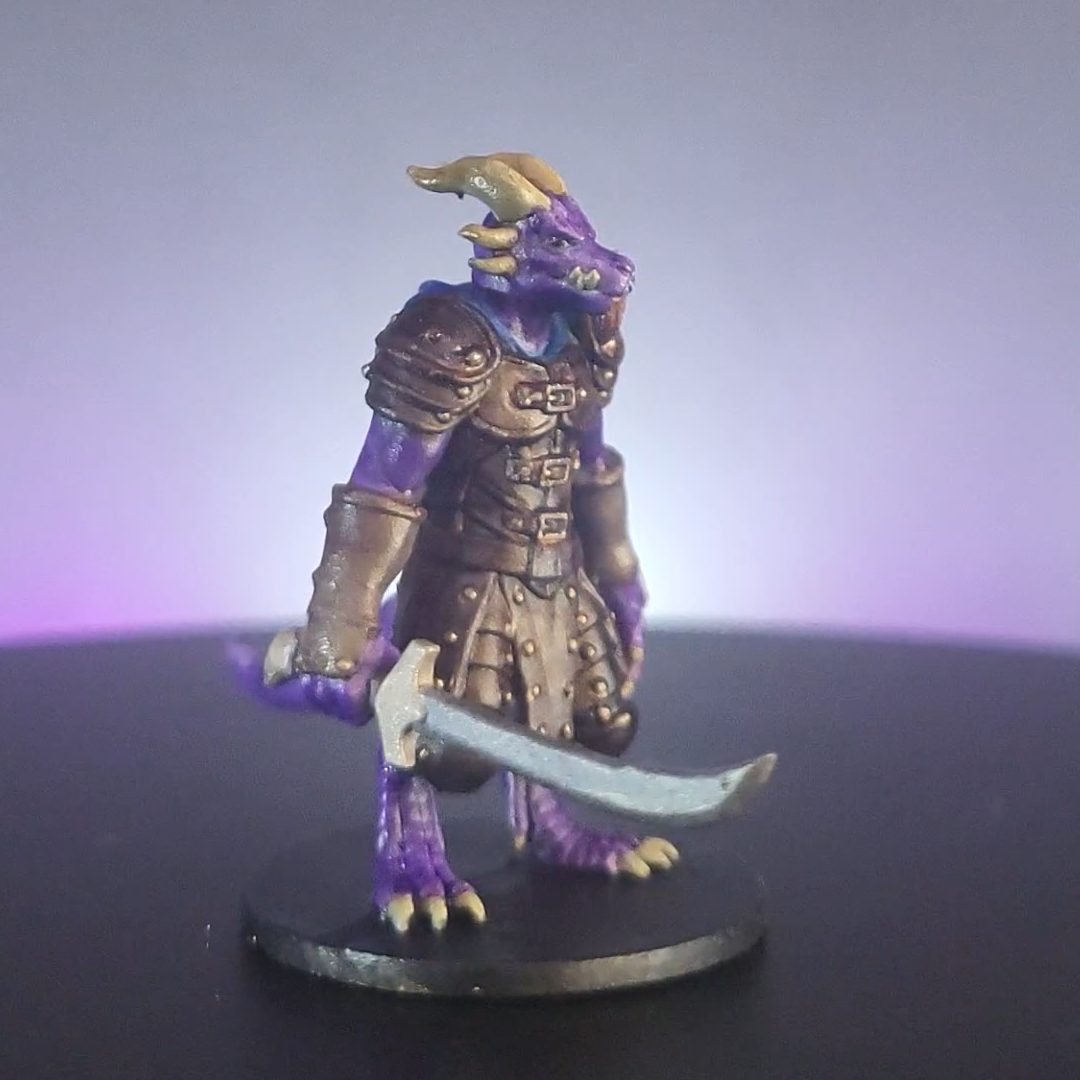
We were—intentionally or not—building ourselves into a place to find tabletop RPG monster miniatures for GMs. The player-sized goblins and kobolds simply didn’t fit that direction, and they didn’t sell well either. The one exception was a purple kobold Pearl painted just because she wanted to—that one sold oddly well.
As we reviewed Year 1, our “proof of concept year” we realized they didn’t fit where we were going in Year 2: our “foundation year” as I have dubbed it.
So, not even six months after their introduction, we pulled the goblins and kobolds from everywhere except the website. There, they were moved into our Legacy Collection and priced to move.
We made a decision: we were going to lean fully into building a GM’s toolbox of miniatures. And that meant letting go of trying to develop proper player miniature lines.
Now, that doesn’t mean we gave up on goblins and kobolds.
Not even close.
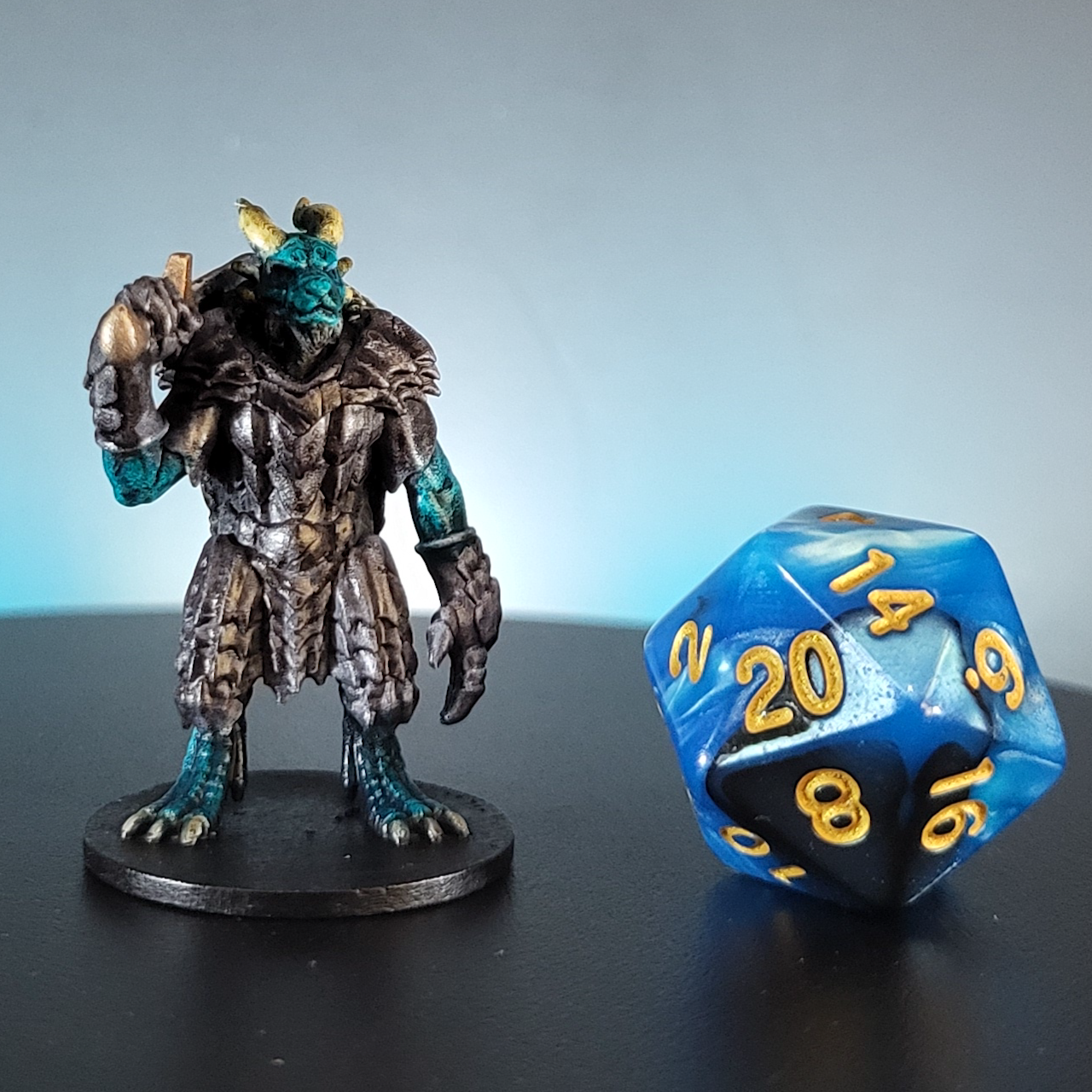
GMs and DMs absolutely need good goblins and kobolds. They’re some of the most commonly used creatures in DND and Pathfinder campaigns, and they need to be reliable, readable, and durable on the table.
So we went back to the drawing board.
We tested new resins. Then we started custom blending until we found something that could actually hold up to shipping, handling, and real gameplay. While still being printed at their original 18mm size.
That change unlocked something important.
With our original resin, we only trusted 3 goblins and 3 kobolds to hold up long-term. With the new blend, we can confidently bring out all 6 goblins and all 7 kobolds when we relaunch them this year. Expected launch between april and July. This time as true monster miniatures built for GMs, not scaled-up player pieces trying to do both jobs.
And that clearer focus didn’t just simplify what we were doing; it opened doors we couldn’t confidently walk through before.
It gave us the confidence to bring back select one-time pieces like our Adamantine and Mithril Golems later this year - Expect Q3. It let us start planning entirely new directions, like a Swarm, Ooze, and Slime line with structured, likely quarterly launches. The first being a Nanoshard swarm that I am activly working on. It even has us looking at bringing back the Arcane Elemental. This time as a full premium family instead of a one-off idea. The Arcane Firefox Pearl painted for proof of concept looks amazing!
By narrowing our focus, we didn’t lose something, we gained clarity.
Now, instead of trying to be everything, we can do one thing better: build a reliable set of DND monster miniatures made for actual play. Miniatures that read clearly at tabletop distance, survive handling, and fit naturally into encounters without second-guessing.
Because at the end of the day, that’s what we’re building:
A GM’s toolbox.